

All You Need To Know About Local Campaign Issues 2020

“The ignorance of one voter in a democracy impairs the security of all.”
—John F. Kennedy

We should say from the start that VREG does not endorse candidates. Our goal is to keep you informed and to educate wherever possible, but we shouldn’t pass up the opportunity to outline the critical campaign issues facing City Council candidates in 2020.
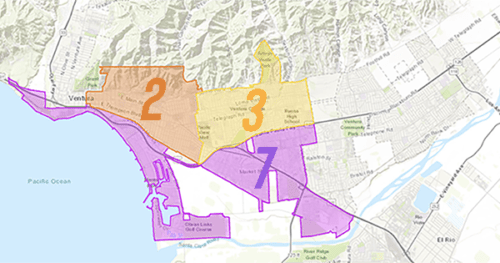
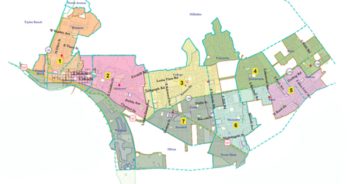
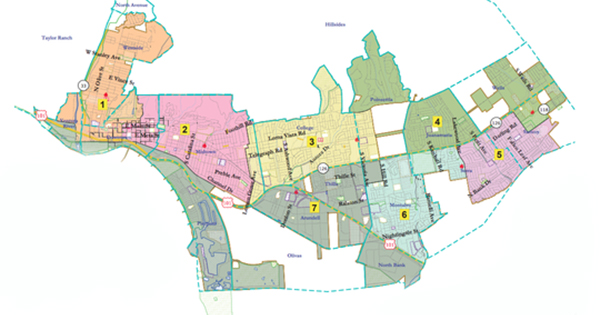
If you live in District 2, 3 or 7, you have an important decision to make in this election. Your choice for City Councilmember will shape Ventura’s future for decades. How the candidates address the current campaign issues should guide your selection.
Meet Your 2020 City Council Candidates
First, familiarize yourself with the candidates. Campaigning has changed in the COVID-19 environment, so you may not be able to meet your candidates in person. Zoom townhall meetings and campaign videos are replacing in-person, door-to-door campaigning.
Ten of the eleven candidates provided qualification statements. We’ll highlight and summarize each declaration to save you from looking them up.
Here are the City Council candidates with their self-described ballot designations. The candidates are presented in the order as they will appear on the ballot. The Secretary of State randomly drew names to determine the ballot order on 8/13/2020.
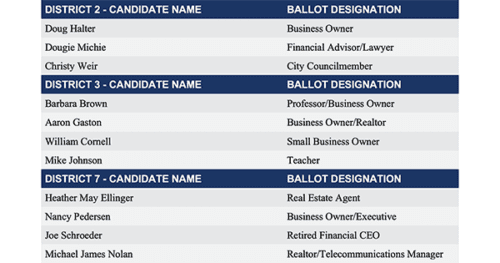 District 2
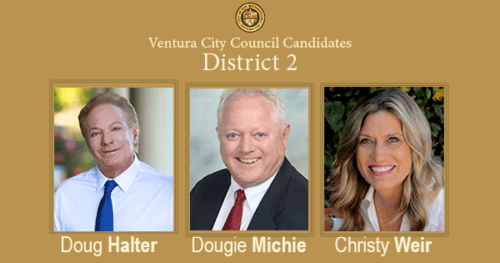
Doug Halter is a local businessman. He a passionate about Ventura and is knowledgeable about how Ventura operates. He is running on changing the status quo. Mr. Halter ran unsuccessfully for City Council in 1999 and 2007 under the open election system. 2020 is his first campaign under the district system.
Dougie Michie is a certified financial planner with a degree in law and a doctorate in urban planning. He is running on his wide range of education and experience, which will enable him to guide the city through the challenges Ventura faces.
Christy Weir has been on the City Council since 2003. Historically, she has proven to be open-minded and approachable.
District 3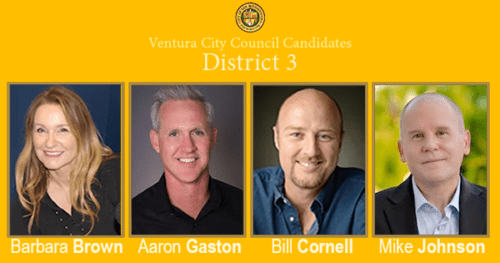
Barbara Brown is a business owner and a professor at Laguna College of Art and Design. She serves as a Public Arts Commissioner. Ms. Brown’s family lost their home in the Thomas Fire. Her passions include the Ventura Botanical Gardens, Interface Children Services, and Goodwill Industries.
Aaron Gaston is a realtor and business owner. He graduated from UCSB. For nearly 30 years, Mr. Gaston ran a technology company. He is interested in supporting a healthy business community with affordable housing to be compatible with smart growth.
William Cornell is a small business owner with over 15 years in the construction industry. He is concerned about the city’s ability to sustain itself on its current path. He also wants to improve public safety, community and economic development.
Mike Johnson is a faithful attendee at several city community subcommittee meetings on economic development, housing, water and Measure O. He is thoughtful with his approach to problem-solving. He is ‘ready to lead on day one.’
District 7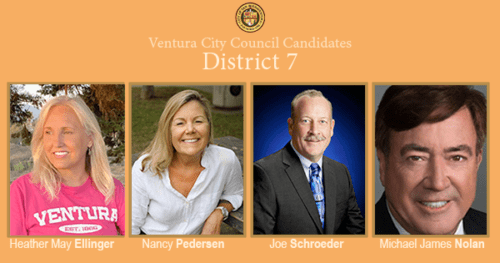
Heather May Ellinger is a real estate agent. She is interested in the homeless crisis, crumbling roads, housing and affordability and community development. The city budget is a significant concern, and a need to make the city more business-friendly to attract companies with high paying jobs will improve revenues. Her experience as a mortgage field inspector would assist in ‘navigating the complex issues’ in reconstruction.
Nancy Pedersen is a business owner and is chair of the Ventura Visitors & Convention Bureau Board of Directors. She has professional credentials with 40+ years as a business and legal executive.
Joe Schroeder is a retired CEO of the Ventura County Credit Union. His financial expertise and management experience are what he feels the City Council needs. He has also served on community boards such as Food Share and the Global Women’s Leadership Network. His priorities are supporting public safety, economic growth, natural resources, an updated coastal plan and a short-term rental plan that protects community interest.
Michael James Nolan is a realtor and communications manager, but without a statement of qualifications provided to the City of Ventura and we didn’t find an election website. VREG cannot give any useful information on his candidacy.
Ventura’s Key Campaign Issues In 2020
What campaign issues do you want your candidate to address? Your answer will depend on the district you live in, but there are some citywide issues every candidate must address.
Water Is Among The Top Campaign Issues
 Water will be among the costliest issues the City Council will face in the next four years. Ventura Water is asking the Council for over $300 million, making it as expensive to the city as public safety.
Find out from your candidates where they stand on VenturaWaterPure. Are they content to drink recycled wastewater? Do they know that no standards exist yet for purifying wastewater into potable water? Will Ventura ratepayers willingly accept the increases needed to pay for the $300 million Ventura Water is requesting?
How much do your candidates understand the litigation the city is involved in concerning water? Do they know what alternatives exist to the Wishtoyo Consent Decree of 2012? Do they know the Ventura River cross-complaint Ventura filed against 10,000 property owners along the river?
Homelessness and Vagrancy Are Important Campaign Issues
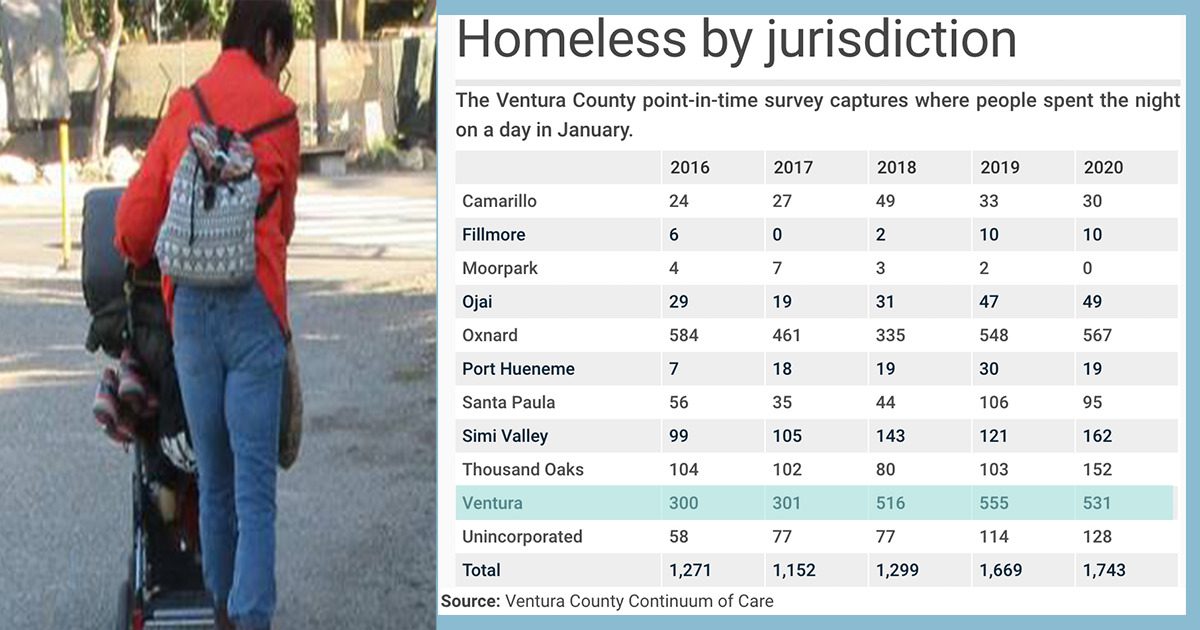
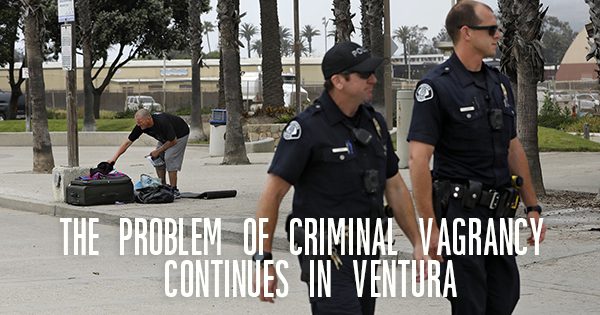
Ventura’s homeless shelter is operating. It costs the city $712,000 per year to house 55 of the city’s 531 homeless. Shouldn’t the Council and citizens know precisely how much homeless services cost and how they get allocated? What should Ventura do for those not housed in the shelter? Some of the remaining homeless are vagrants. They choose to live the lifestyle and to panhandle. How do candidates plan to combat that so Ventura is more tourist-friendly?
Future Budget Deficits Rank High Among The Campaign Issues In 2020

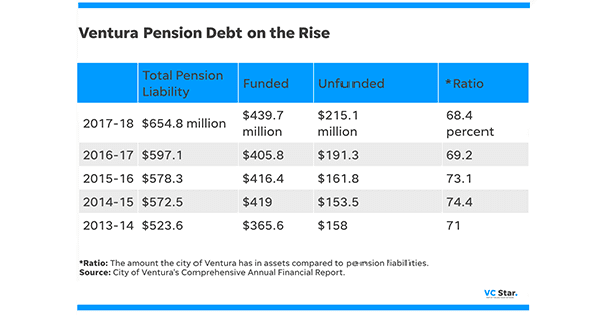
The current City Council balanced the 2020-2021 budget by reducing costs in 11 key areas. City employee pension costs continue to rise and may rise more quickly because of COVID-19’s impact on CalPERS’ investments. Each increase in pension costs squeezes money out of the General Fund that otherwise could go towards street repair, tree trimming or public safety.
Public Employee Pensions Is The Toughest Campaign Issues

Ask the candidates running in your district if they will work with the city’s unions to reform public employee pensions. The last time the City Council modified pensions was 2010, and those changes were modest. The city staff believes pensions will level out in six or seven years. Can Ventura last that long amid its other financial burdens? The city still hasn’t recovered fully from the Thomas Fire. The COVID-19 pandemic shuttered businesses for months, robbing the city of sales tax revenue, and there is no clear plan to reopen them completely.
Campaign Finances
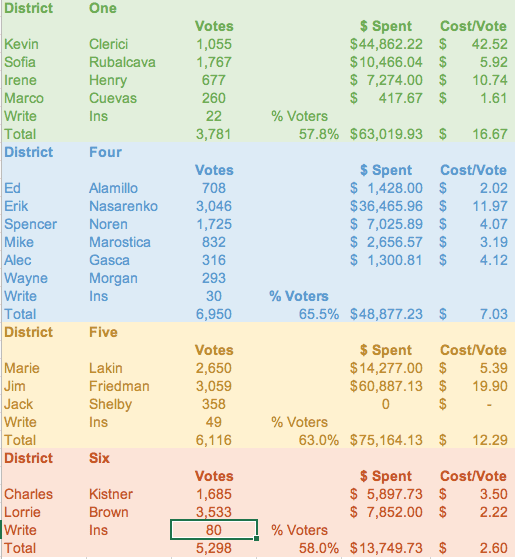
The first district elections in 2018 were the costliest in history. The top three fundraisers were Jim Friedman, $60,887; Kevin Clerici, $44,862; and Erik Nasarenko, $36,464. Messrs. Friedman and Nasarenko won. On a cost per vote basis, Mr. Friedman spent $19.90 to get a vote. Mr. Nasarenko paid $11.97. Mr. Clerici, who lost, spent $45.52 per vote. Big money doesn’t always win, but the exception proves the rule.
We will monitor the candidates’ campaign finance reports to report this year’s totals.
Growth Is Always Among The Key Campaign Issues

Growth means different things to different people. It’s inescapable that Ventura needs to grow.
Ask if your candidates acknowledge that growth, jobs and water availability are inseparable. They also need to recognize the opposition to more houses (the NIMBYs) by some in the community. Forward progress on growth means accommodating, integrating and compromise.
Editor’s Comments
Voting works best when people take the time to learn about campaign issues. We urge you to get involved. Educate yourself on the candidates’ positions on the campaign issues for 2020. We’ve provided a framework to ask pertinent questions. Use ours or develop your own, but find out where the candidates stand.
Don’t succumb to the clichés candidates use to get your vote. Candidates always discuss growth and public safety while campaigning. Look beyond that. These are not the pressing campaign issues in 2020. The most demanding issues are water, labor contracts, long-term planning and reductions in services. These problems with budgets, growth and water have happened over the last fifteen years. Ask yourself, “Do these candidates have the capabilities to solve these problems?”
Once elected, it’s vital to review the new Councilmembers’ performance. Accountability and transparency are glossed over and only get ‘lip service’ during election time. In the past, Councilmembers knew voters would forget over the next four years. It’s up to each of us to make sure that our elected officials do what they promised to do.
We respect anyone who steps up to run for office. It is not easy to subject yourself and your family to public scrutiny and comments. So, regardless of the election outcome, we applaud everyone who threw their hat in the ring.
Postscript
The Fire and Police Unions are supporting Doug Halter in District 2, Aaron Gaston in District 3 and Nancy Pedersen in District 7.
Here’s How You Can Write Directly To Your City Councilmember
Below you’ll find the photos of our current City Council. Click on any Councilmember’s photo and you’ll open your email program ready to write directly to that Councilmember.
 |
 |
|
 |
 |
|
 |
 |
|
 |
For more information like this, subscribe to our newsletter, Res Publica. Click here to enter your name and email address.



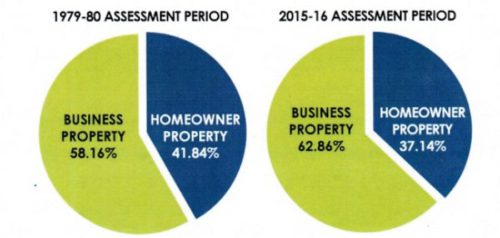
 Whether owned by a large corporation or a family, the initiative would be a massive tax increase. It will affect office buildings, retail stores, shopping malls, movie theaters, gas stations, supermarkets, factories, warehouses, self-storage facilities, auto dealerships, car washes, restaurants, hotels and every other job-creating business in the state. Even small businesses that lease space in a strip mall would see their operating costs jump sharply due to tax increases passed through from landlord to tenant.
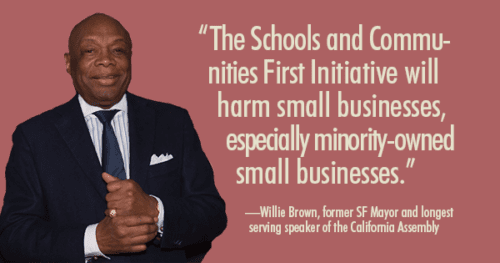 Willie Brown, former San Francisco mayor and the longest-serving Speaker of the California Assembly, also opposes this measure and stated: “…that the Schools and Communities First Initiative will harm small businesses, especially minority-owned small businesses.”



 Spreading $320 Million over ten years, divided equally among the 32,000 water ratepayers in Ventura, will cost about $83 more per month on your water bill. An extra 20-27 employees are required to operate the new facility, adding to the Ventura Water’s payroll, benefits and pensions. If Ventura Water adds the minimum number of new employees, using an average annual cost of $100,000 per person, plus benefits, will add $29.1 Million annually. Dividing $29.1 Million by 32,000 water ratepayers adds another $76 per month to each water bill.
 Ventura Water has already spent eight years to meet the demands of a Federal Consent Decree. Ventura must fully comply with the removal of remove tertiary treated wastewater from the Santa Clara Estuary by 2025. To achieve this mandate, VenturaWaterPure was set in motion to recycle its wastewater into something useful.
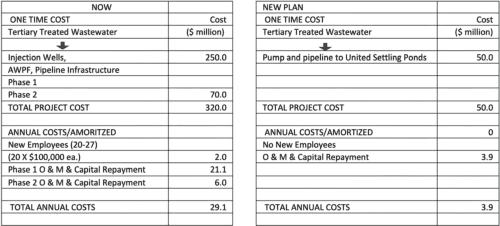
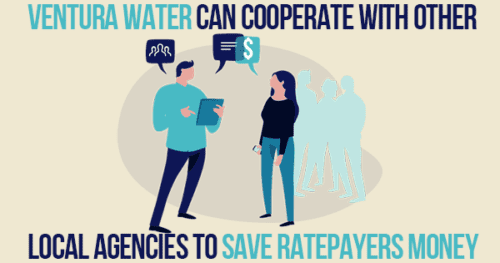 Saving $270 million by redirecting the Santa Clara Estuary tertiary treated wastewater to the United Water Saticoy spreading grounds does not derail the other Ventura Water goals. With the continued construction of the State Water Project, State Water will provide an additional water resource to compliment the river, groundwater and recycling programs in place. The


 Mr. McIntyre’s challenges are daunting. The local economy is in shambles. The city government and businesses will struggle to put people back to work safely and quickly. To survive the impending recession will require working closely with the city’s three unions, Fire, Police and Service Employees International Union (SEIU). And, he will have to guide an inexperienced City Council through budgeting during a recession.
 personnel-related. These include:
 Another Councilmember wants to
 reviewing fee increases to discuss whether a fee should increase by 3% or $5. Such debate appears to be a poor use of City Council time.
 A Safer Approach would be for the City Council and our City Manager to consider a combination of all 13 possible ‘budget-balancing tools.’ What’s more, they should consider deferring a few more pending projects. Take nothing on that list off the table.



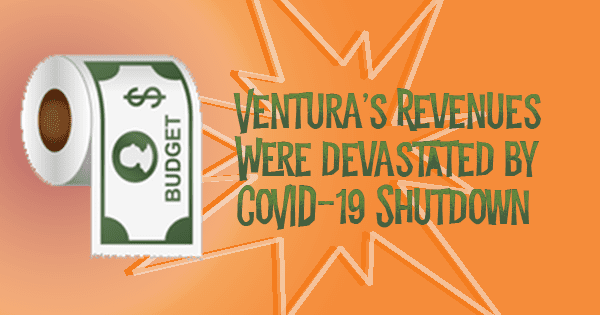 Sales taxes will be severely impacted by the COVID 19 pandemic, and
 The most considerable expense for any city is payroll—including benefits and retirement. The salaries, benefits and pensions are all controlled by labor contracts. In fact, because of the COVID 19 pandemic, these costs will likely blow up. The Ventura City Council’s control of this expense is limited to reducing staffing levels. Here are examples that the City Council is considering.
 There are other costs the Council can influence. It’s time the City Council scrutinizes all the cost of services to consider less costly options. Those services can be General Fund items like fire and police, or they can be other operational items like water.


 Candidates for the 2020 City Council election must concentrate on the Wishtoyo Consent Decree, and the impact of the decree in the next decade. That Federal Decree requires Ventura to stop putting a majority of its treated wastewater into the Santa Clara River estuary, beginning in January 2025 through 2030. To do so will be an enormous cost to the city.
 Ventura Water has confused the City Council by combining two different ideas to falsely heighten the urgency to drink wastewater. In 2011, Venturans were told, “We are short of water.” Ventura Water proposed treating the wastewater we currently dump into the Santa Clara River into potable water at the cost of $1 Billion.
 Ventura Water will undoubtedly request a water rate increase from this next City Council. They will claim the money is for VenturaWaterPure or to improve the city’s water infrastructure. Water rates already went up by $220 million with water and wastewater increases in 2012-13. Any Councilmember and any candidate for City Council should be able to explain how Ventura Water spent the $220 million and why another rate hike is needed.
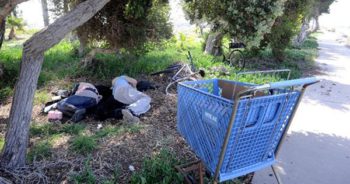 Ventura has 555 homeless people, according to the 2019 Point-in-Time count. Meredith Hart, Director of Ventura’s Safe & Clean program, believes the 2020 count will be higher. Ventura spends on its homeless are between $3.89-$4.59M per year.




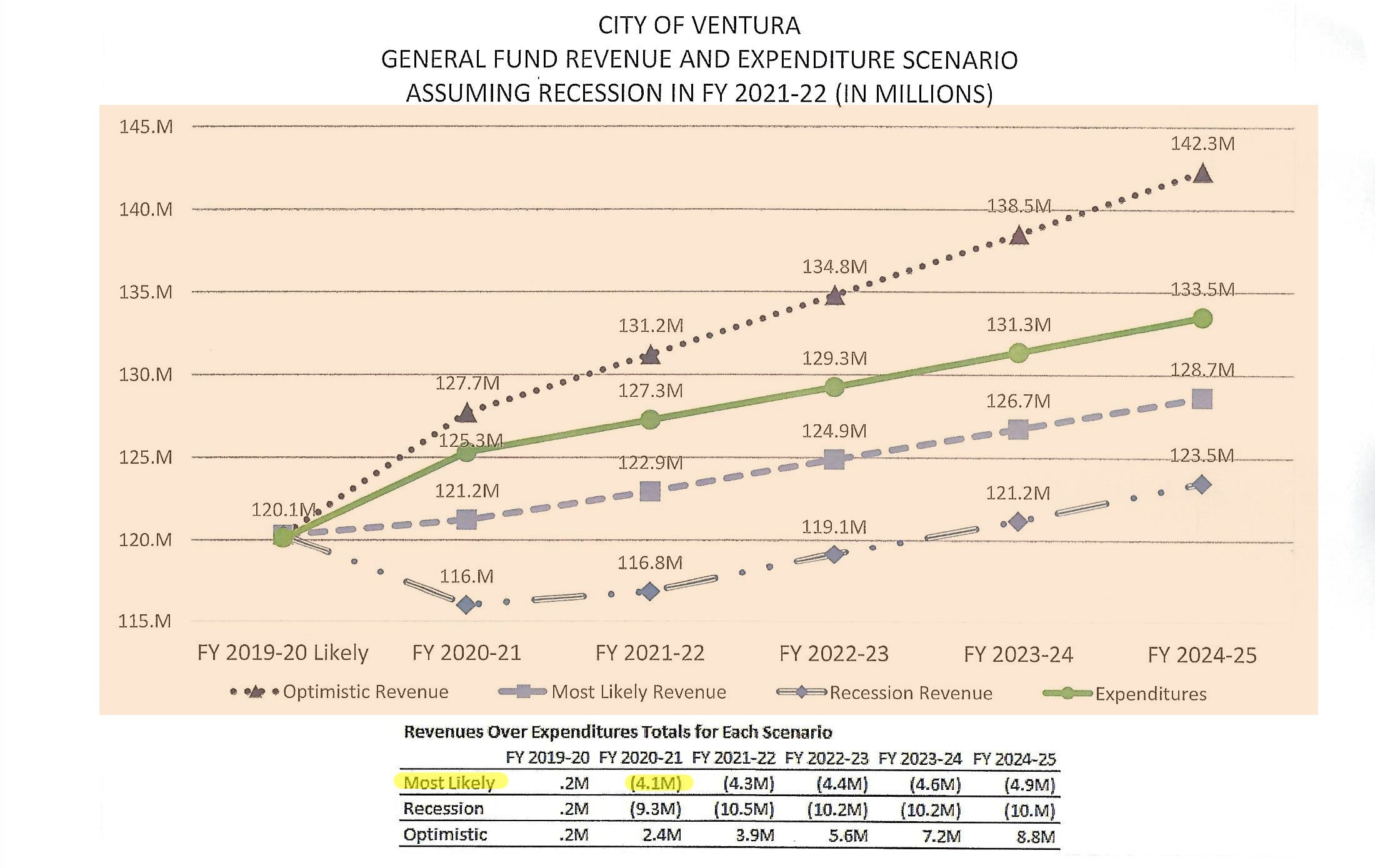
 Today’s Council is still operating on the 2019-2020 budget that shows everything is fine. In six months we will be in a new budget cycle, how does that look? The city staff projects a “most likely” budget scenario that will have a shortfall of $4.1M. How can the seven members of the City Council take action to save jobs and essential services for the citizens of Ventura?
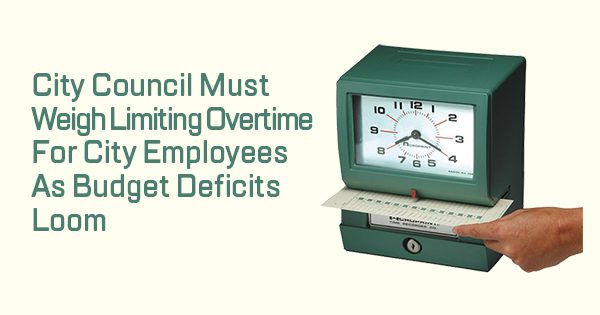 Reduce overtime for city employees. The largest single expense category in the city is staff salaries and benefits. Reducing overtime might save as much as $5.6 million in the budget.
 Review the money Ventura pays to support the Ventura County Museum. This option will save $250,000 per year.
 Evaluate Community Granting Programs. The amount of potential savings is not listed. This category includes programs like Community Access Partners (CAPS). CAPS received




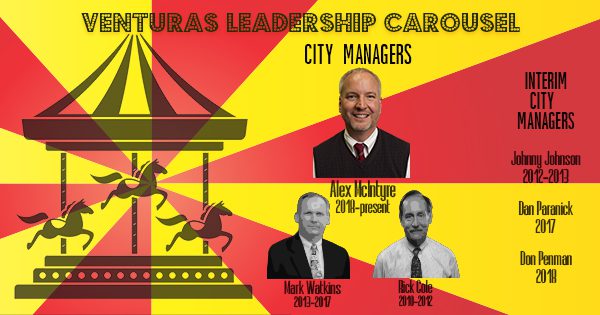 It’s remarkable that the city accomplished anything in the 2010s. We had three City Managers and three Interim City Managers. No one person was in the role for more than three years. Turnover created a leadership vacuum that minimized any chance for meaningful change.
 Sounds good, right? That is until you see the price tag. Developers don’t just build housing projects; they construct ridiculously overpriced, overbuilt housing projects. (Keep in mind Ventura’s permitting fees and stringent building codes). Cities and counties create massive bureaucracies. The nonprofits don’t just run these projects; they operate vast bureaucratic empires. These fiefdoms have overhead, marketing budgets, and executive salaries that do nothing for the homeless. They do not overpay the workers in the shelter.
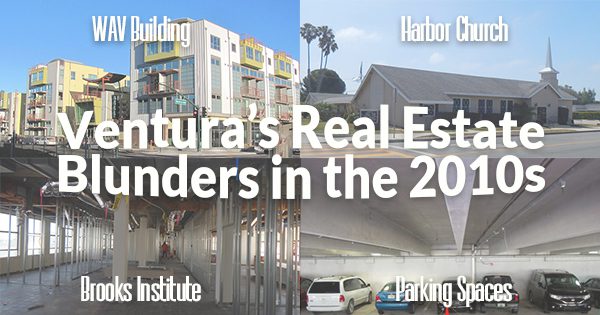
 The concept flopped. The condos finally sold in 2018 for a fraction of what the city hoped to get. Buyers paid $413,000-$470,000 for the units. Once the sale completed, the mortgage holder, Chase, was repaid both principal and interest. Ventura Water was left holding the bag, however, for the $1 million “loaned” to the city. The city received only $105,893 from the sale of the condos after paying the Construction Loan, sales commissions, sales expenses, the City Deferred Impact Fee Loan and the developer.
 City government and Code Enforcement officers serve a valuable and essential service to our community until they start acting like bullies with their use of force, intimidation, abuse of power and excessive punishment of the citizenry.



 For the second time in four years,
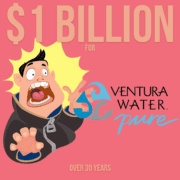 VenturaWaterPure will cost $1 billion over 30 years. That’s a considerable sum of money for the community to absorb. Water bills will double to pay for VenturaWaterPure’s infrastructure alone. Operations and maintenance costs will add even more. Remember, water costs already went up by $220 million with water and wastewater increases in 2012-13.
 Ventura Water has confused the City Council by combining two different ideas to falsely heighten the urgency to drink wastewater. Since 2011, the campaign has been “We are short of water,” they say, “and the best way to meet that shortage is to drink wastewater.”
 Ventura has enough drinking water for the next 15 years at current consumption rates, according to the
 IPR is inefficient and will not meet Ventura Water’s projections. Orange County and Monterrey use IPR already. IPR shows a net water loss of 23%, based on Orange County’s experience. If VentuaWaterPure treats 4.5 million gallons per day of tertiary water, this will yield approximately 3.5 million gallons per day of drinking water, or about 3,900 Acre-Feet per year (AFY). According to the Final Environmental Impact Study, that is 1,500 AFY short of the 5,400 AFY needed to meet Ventura’s estimated demand.
 One billion dollars is a large bet to place with the taxpayer and ratepayer money for a process that is questionable among scientists. There are cost-effective alternatives available, but it’s unlikely they’ve been examined since the initial decision to create VenturaWaterPure was made in 2011. Times change. Circumstances change. Now is the time to reconsider options to be sure we’re making the best choice available.