Ventura’s Imperfect Evaluation On Step And Merit Increases

“The man who asks a question is a fool for a minute, the man who does not ask is a fool for life.”
—Confucius

No one makes a lifetime commitment based on a single moment in time. Yet, the Ventura City Council made just such a commitment. In November 2020, they awarded step and merit increases to city employees based on revised sales tax figures. This decision is disturbing on several levels:
- The city staff led the Council to believe financial conditions were improving based on very short-term statistics.
- The people benefiting from the salary increases were the ones making the recommendation.
- Our elected officials failed to question the rosy picture the staff presented during the pandemic economic shutdown.
How Did We Get Here?
In the city’s fiscal year 2020-2021, the Ventura City Council faced a $12.0 million budget deficit due to California’s coronavirus shutdown. The city staff recommended a dozen possible solutions to the problem. Among them was the option to ‘defer’ $1 million in employee salary increases for step and merit increases until financial conditions improved.
As a provision of the FY2020-21 budget, former-Mayor Matt LaVere, the City Council and all the bargaining units agreed to freeze employee step and merit increases as a down payment on the massive reductions necessary in the year ahead.
Mid-Course Correction
The City Council receives regular updates on sales tax revenue collected. These reports include recent figures and may also include projections based on current trends. The updates are very short-term, especially in the early part of the fiscal year. Predictions made from these limited data may seem overly optimistic. Any upward trend tempts city staff and the Council to overreact. Past City Councils have been guilty of spending money from these projections because they seemed ‘good.’ The tendency is to see these projections through rose-colored glasses.

What Was The New Projection That Justified The Step And Merit Increases?
To everyone’s surprise, the September sales tax report update was higher than anticipated. The city staff projected that General Fund would be $1.657 million higher than forecasted. The City Council seized this as the ‘green light’ to reinstate the employee step and merit increases.
At the November 9, 2020 meeting, the Council rescinded the suspended step and merit salary increases for city employees. The suspension lasted only eight months, from March to November 2020.
Was The Decision To Grant Step And Merit Increases Logical?
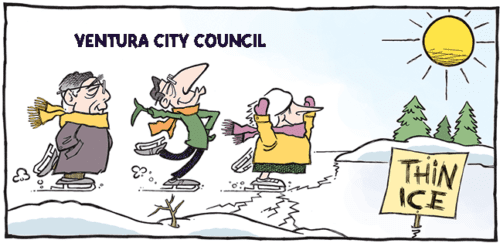 The Council made its November decision based on data presented on September 23, 2020, a month and a half earlier. The Council received no updated data on which to decide. If they had, the decision might have been different.
In a report prepared by Michael Coon, the Director of Finance & Technology, after the Council’s November 9th decision, the $1.657 million surplus became a $483K deficit.
By the January 2021 Budget Workshop presentation to the new Council, the General Fund was positive again by $264,000. Mr. Coon admitted that $264,000 is a slim margin on a $116 million budget (0.2%).
What’s Happening With The General Fund?
The $1.657 million General Fund surplus presented in September 2020 was misleading. Yes, sales tax revenue was higher, but that didn’t account for the excess. Two unique, one-time events inflated the figures.
The General Fund received $2.0 million from the CARES Act funding. The city also received a donation from the Marion Schwab Trust.
Without these two rare revenue infusions, the city would have had $2.4 million less revenue than the city staff led the Council to believe when deciding to award the step and merit increases.
What’s more, on September 24, 2020, the city staff failed to mention the City Council’s risks to the General Fund. Player’s Casino Card Room sales taxes, parking violations, and Parks & Recreation programming were below budget. Mr. Coon’s November 2020 report shows revenue fell more than $5.2 million below budget in those three areas.
The Result Of Their Actions On Raises
In June, Councilmember Jim Friedman warned of an “absolute financial disaster” in the coming years if the city doesn’t continue to cut spending. Yet, the City Council reversed their earlier spending restraint and awarded over $719,000 in pay increases to city employees.
In June 2020, City Manager Alex McIntyre spoke of “shared sacrifice” when announcing the step and merit increases. Today, thousands of Ventura residents are not working. And those private-sector workers that remain employed may experience outright cuts in their pay and hours. Scores of businesses are closed by the pandemic and face bankruptcy. At City Hall, where jobs and salaries are guaranteed, things look very different, however.
What Can We Do?
Every budget cycle, the city goes through the same experience. The budget process begins in January and ends in June for the following year’s budget. Each year, the city staff presents their best estimate of what next year will bring. Often, those  estimates are optimistic. “We believe we’re conservative not to paint too bleak a picture,” Mr. Coon told the City Council on January 11, 2021. And, our City Council makes long-term decisions based on the short-term data they receive.
Staff isn’t always right. No one has examined the budgeting process for a long time. Periodically, it would be a good idea to have independent, outside consultants provide an unbiased analysis of Ventura’s budgeting. This evaluation should be different from the accountant’s review of the Comprehensive Annual Financial Report (CAFR), which is always 18 months in arrears.
Editors Comments
We believe the City Council made the November decision to award the step and merit increases on flawed forecasts from staff. The City Council accepted the General Fund revenue would be $1.657 million higher in the middle of a pandemic. The Council decided based on a September bump in the sales tax revenue for the first four months of the fiscal year 2020-21. And, the data didn’t include the all-important Christmas season sales tax revenue. The Council made long-term decisions based primarily on short-term data.
 It seems clear that city staff provided fluid, optimistic data to the Council for their decision. Mr. Coon explained the projections, saying, “We are feeling alright with the additional projection of $1.5 million in Sales Tax for the current fiscal year. It is something that we definitely want to keep an eye on, especially if we start to see more businesses close.
“Currently, we are basically projecting that we will receive the same amount of Sales Tax this fiscal year that we received last fiscal year…the city would have received about $30 million in sales tax for FY 20-21 without the pandemic. So, the projections do factor in about a 10% decline from the activity that was seen in Jul-Dec 2019. This decline isn’t on the higher end because online sales tax collection is doing so well and offsetting the losses of some of the brick and mortar stores that are experiencing losses at the higher end of the spectrum.”
At a higher level, citizens should be concerned about this process. The same people who prepare the reports used to decide salary increases are the same people who get the raises.
Our concern isn’t with the exact budget numbers. We question using numbers provided by the very people who enjoy the increases. We also have reservations about the Council relying on unseasoned numbers over time.
And, we’re disappointed by the elected officials that failed to question staff’s rosy projections when we’re in the middle of a pandemic. There were variations in the General Fund projections from September 2020 to November 2020 to January 2021. Two different City Councils spanned that period. One would have hoped that at least one Councilmember would have remarked on the General Fund’s changes from positive to negative and back to slightly positive over that time. Yet, no one did.
Only four Councilmembers remain from the group that awarded the increases. They are Lorrie Brown, Jim Friedman, Erik Nasarenko and Sofia Rubalcava. At the January 2021 budget workshop, two Councilmembers (Ms. Brown and newcomer Mike Johnson) expressed concern about the COVID-19 impact on the city’s finances. One wonders why the other five didn’t share the same anxiety. We hope that the new Council will be more rigorous in asking questions when preparing next year’s budget.
Write Directly To Your City Councilmember To Insist They Ask More Insightful Questions During Budgeting
Below you’ll find the photos of our current City Council. Click on any Councilmember’s photo and you’ll open your email program ready to write directly to that Councilmember.
 |
 |
|
 |
 |
|
 |
 |
|
 |
For more information like this, subscribe to our newsletter, Res Publica. Click here to enter your name and email address.



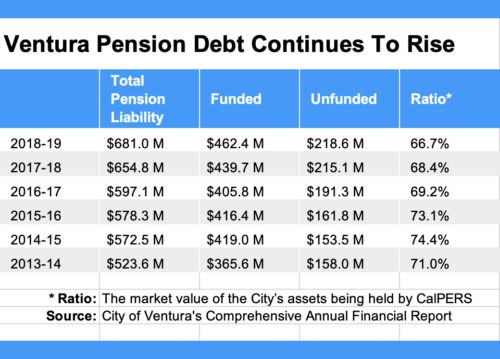
 For ten years, Ventura has done little to remedy its unfunded pension liabilities. During that time, there have been four different City Councils. Yet, they made only a modest effort to solve the problem. Then-Mayor Bill Fulton and City Manager Rick Cole claimed in 2011 that the City of Ventura had tilled new ground by requiring the city employees to pay something toward their retirement – 4 ½%.
 Make beneficiaries pay more. With the city covering 100 percent of the unfunded liability, the problem will continue to grow. There will be minimal reforms because the actuarial losses fall on the taxpayer. Capping the employer contribution at a fixed percentage of salary would cut pension costs for the city. As pension costs increase over the years, the employees will pay all the growing costs.

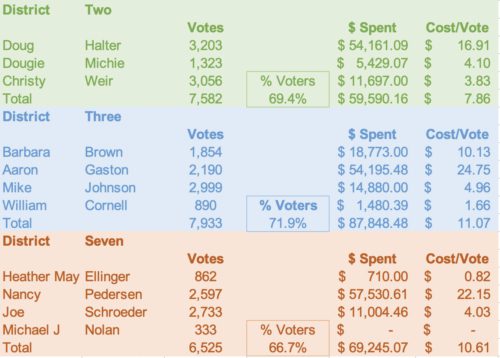







 District 2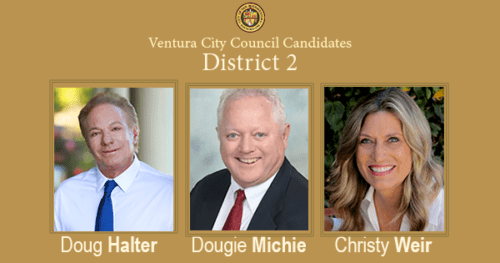
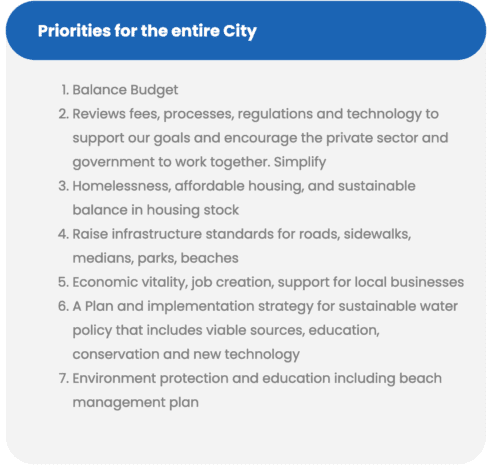
 Water will be among the costliest issues the City Council will face in the next four years. Ventura Water is asking the Council for over $300 million, making it as expensive to the city as public safety.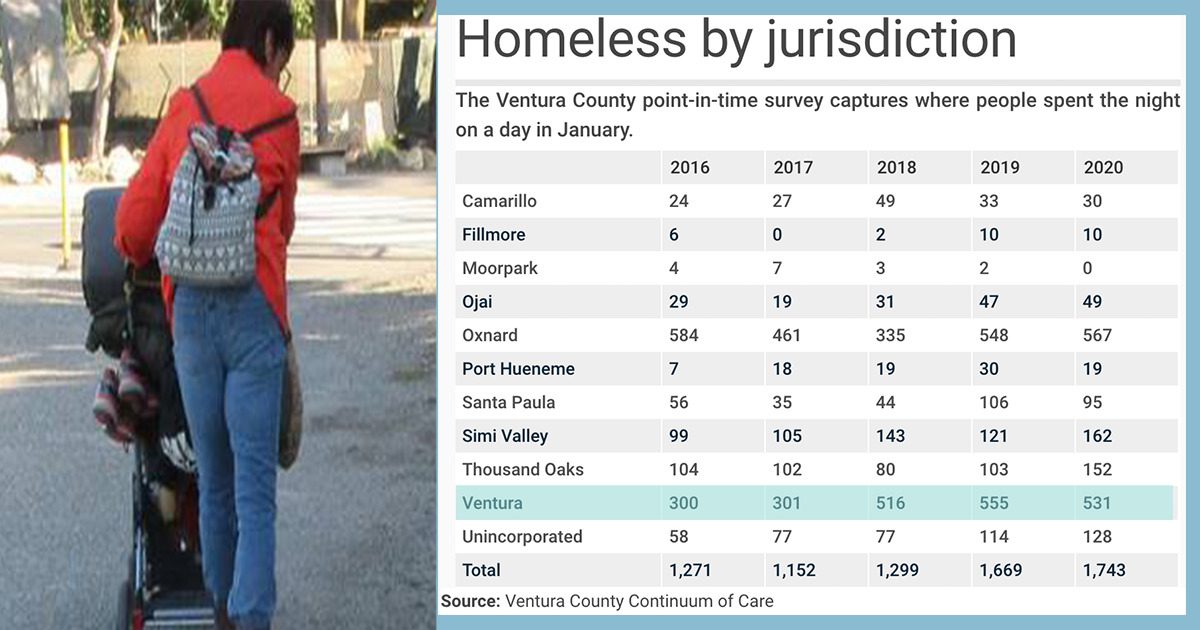






 Whether owned by a large corporation or a family, the initiative would be a massive tax increase. It will affect office buildings, retail stores, shopping malls, movie theaters, gas stations, supermarkets, factories, warehouses, self-storage facilities, auto dealerships, car washes, restaurants, hotels and every other job-creating business in the state. Even small businesses that lease space in a strip mall would see their operating costs jump sharply due to tax increases passed through from landlord to tenant.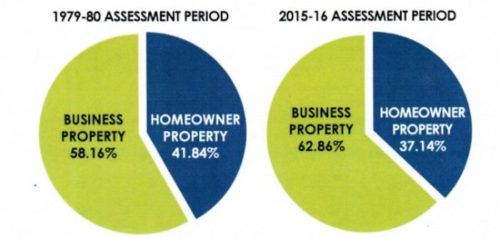
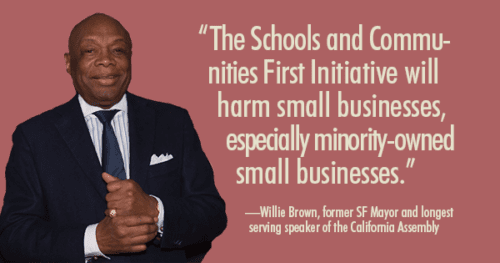 Willie Brown, former San Francisco mayor and the longest-serving Speaker of the California Assembly, also opposes this measure and stated: “…that the Schools and Communities First Initiative will harm small businesses, especially minority-owned small businesses.”


 Spreading $320 Million over ten years, divided equally among the 32,000 water ratepayers in Ventura, will cost about $83 more per month on your water bill. An extra 20-27 employees are required to operate the new facility, adding to the Ventura Water’s payroll, benefits and pensions. If Ventura Water adds the minimum number of new employees, using an average annual cost of $100,000 per person, plus benefits, will add $29.1 Million annually. Dividing $29.1 Million by 32,000 water ratepayers adds another $76 per month to each water bill.
 Ventura Water has already spent eight years to meet the demands of a Federal Consent Decree. Ventura must fully comply with the removal of remove tertiary treated wastewater from the Santa Clara Estuary by 2025. To achieve this mandate, VenturaWaterPure was set in motion to recycle its wastewater into something useful.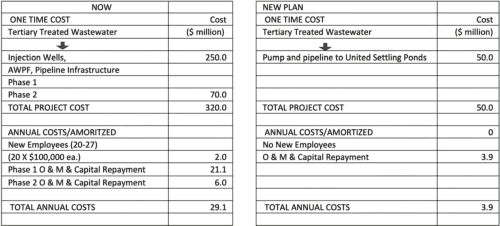
 Saving $270 million by redirecting the Santa Clara Estuary tertiary treated wastewater to the United Water Saticoy spreading grounds does not derail the other Ventura Water goals. With the continued construction of the State Water Project, State Water will provide an additional water resource to compliment the river, groundwater and recycling programs in place. The


 Mr. McIntyre’s challenges are daunting. The local economy is in shambles. The city government and businesses will struggle to put people back to work safely and quickly. To survive the impending recession will require working closely with the city’s three unions, Fire, Police and Service Employees International Union (SEIU). And, he will have to guide an inexperienced City Council through budgeting during a recession.
 personnel-related. These include:
 Another Councilmember wants to
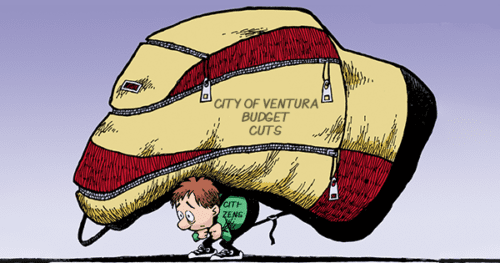 reviewing fee increases to discuss whether a fee should increase by 3% or $5. Such debate appears to be a poor use of City Council time.
 A Safer Approach would be for the City Council and our City Manager to consider a combination of all 13 possible ‘budget-balancing tools.’ What’s more, they should consider deferring a few more pending projects. Take nothing on that list off the table.


 Sales taxes will be severely impacted by the COVID 19 pandemic, and
  The most considerable expense for any city is payroll—including benefits and retirement. The salaries, benefits and pensions are all controlled by labor contracts. In fact, because of the COVID 19 pandemic, these costs will likely blow up. The Ventura City Council’s control of this expense is limited to reducing staffing levels. Here are examples that the City Council is considering.
  There are other costs the Council can influence. It’s time the City Council scrutinizes all the cost of services to consider less costly options. Those services can be General Fund items like fire and police, or they can be other operational items like water.


 Candidates for the 2020 City Council election must concentrate on the Wishtoyo Consent Decree, and the impact of the decree in the next decade. That Federal Decree requires Ventura to stop putting a majority of its treated wastewater into the Santa Clara River estuary, beginning in January 2025 through 2030. To do so will be an enormous cost to the city.
 Ventura Water has confused the City Council by combining two different ideas to falsely heighten the urgency to drink wastewater. In 2011, Venturans were told, “We are short of water.” Ventura Water proposed treating the wastewater we currently dump into the Santa Clara River into potable water at the cost of $1 Billion.
 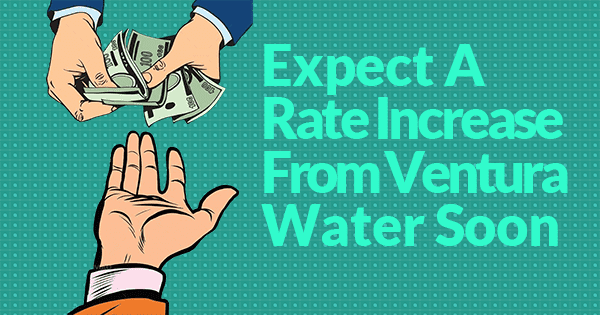 Ventura Water will undoubtedly request a water rate increase from this next City Council. They will claim the money is for VenturaWaterPure or to improve the city’s water infrastructure. Water rates already went up by $220 million with water and wastewater increases in 2012-13. Any Councilmember and any candidate for City Council should be able to explain how Ventura Water spent the $220 million and why another rate hike is needed.
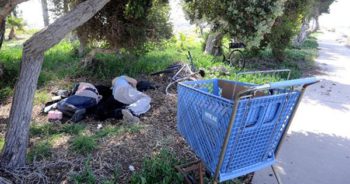 Ventura has 555 homeless people, according to the 2019 Point-in-Time count. Meredith Hart, Director of Ventura’s Safe & Clean program, believes the 2020 count will be higher. Ventura spends on its homeless are between $3.89-$4.59M per year.